Black Women’s Health Alliance – Millennial Sister Circle
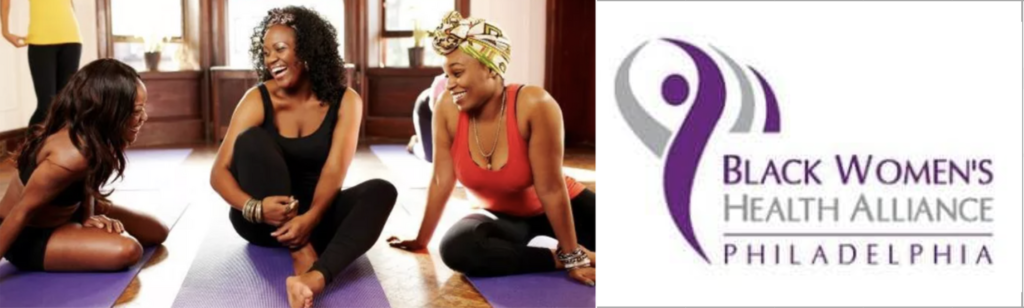
Health disparities affecting African American women in the United States have persisted for decades, shaped by systemic inequalities in healthcare access, prevention and social determinants of health. Conditions such as hypertension, diabetes and certain cancers disproportionately affect Black women, highlighting the importance of community-led approaches that prioritize culturally relevant health education, prevention and support.
The Elsevier Foundation partnered with the Black Women’s Health Alliance (BWHA), a community-based organization dedicated to improving health outcomes for African American and other minority women and families in Philadelphia. Since its founding in the early 1980s, BWHA has served as a strong voice for Black women’s health in the region, advancing advocacy, education, research and community support programs designed to address persistent health inequities.
Through this collaboration, the partnership supported the Millennial Sister Circle Initiative, a program created to address the specific health concerns and experiences of younger Black women and to expand the reach of BWHA’s longstanding community-based health education model.
What we do
The Elsevier Foundation supported the development and delivery of the Millennial Sister Circle Initiative, a program designed for Black women between the ages of 20 and 39 in the Philadelphia community.
Building on the success of BWHA’s Prime Time Sister Circle program—which had previously supported women aged 40 and older—the initiative adapted this established model to better reflect the needs, experiences and priorities of younger participants. The program created a supportive peer-learning environment where participants could discuss health challenges, build knowledge and explore practical strategies for improving their wellbeing.
Through facilitated discussions and educational sessions, participants examined topics such as stress management, nutrition, physical activity and preventive healthcare. The initiative aimed to empower women to make informed health decisions, prioritize their wellbeing and address risk factors associated with chronic illness.
How we deliver
The program was implemented through a series of community-based sessions that combined health education with peer support and dialogue. Participants engaged in conversations focused on holistic wellbeing, encouraging approaches that address physical, emotional and social dimensions of health.
The initiative emphasized prevention and self-advocacy, encouraging participants to build stronger relationships with healthcare providers and take an active role in managing their health. By creating a culturally responsive space for learning and discussion, the program fostered a sense of community and shared responsibility for improving health outcomes.
