TWAS – North South Collaboration in Sustainability
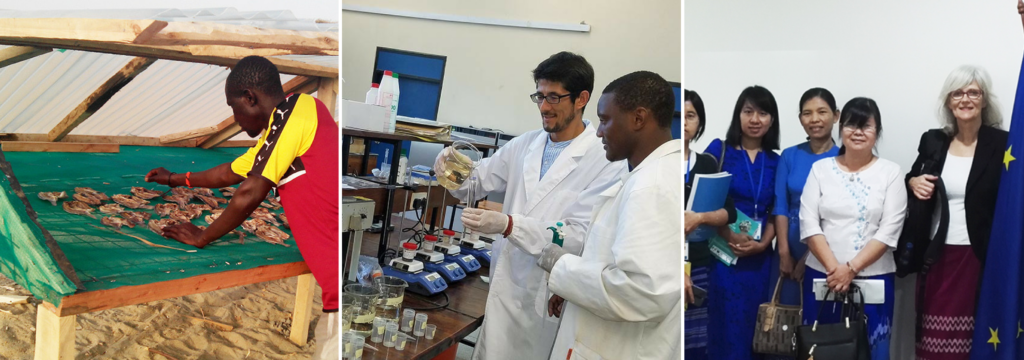
As global attention to sustainability challenges has grown, so too has the recognition that research capacity remains unevenly distributed across regions. While sustainability science has expanded rapidly, researchers in low-income countries continue to contribute only a small share of the global output in these fields. Strengthening research collaboration and supporting scientists in the Global South are essential to ensuring that sustainability solutions are informed by the knowledge, priorities and realities of the communities most affected by environmental and development challenges.
The Elsevier Foundation partnered with The World Academy of Sciences (TWAS) to help strengthen international collaboration in sustainability science. Building on the global momentum created by the United Nations Sustainable Development Goals and increasing recognition of the importance of sustainability research, the partnership aimed to support scientists in developing countries and expand opportunities for knowledge exchange between researchers in the Global North and South. Through this collaboration, the initiative supported a range of activities designed to encourage scientific collaboration, strengthen research capacity and promote locally relevant solutions to global sustainability challenges.
What we do
The partnership supported several initiatives designed to strengthen research collaboration and capacity in sustainability-related fields. One component of the program provided travel grants to doctoral and postdoctoral researchers participating in TWAS fellowships, enabling them to conduct sustainability-related research in centers of excellence across emerging economies.
Another component focused on a Sustainability Visiting Experts program, which enabled experienced researchers to spend time at host institutions in developing countries. These visits created opportunities for knowledge exchange, mentorship and collaboration on sustainability challenges ranging from climate change and renewable energy to sustainable agriculture and biodiversity conservation.
The partnership also supported a Sustainability Case Studies Competition for postgraduate students affiliated with TWAS and the Organization for Women in Science for the Developing World (OWSD). The competition encouraged young researchers to explore practical approaches to addressing global sustainability challenges through locally grounded research and innovation.
How we deliver
The collaboration was implemented through TWAS’s global scientific network and its programs supporting researchers in low-and-middle-income countries. Grants and fellowship-related travel support enabled researchers to engage in collaborative work, strengthen their research skills and build international partnerships.
In addition, sustainability-focused discussions and exchanges were incorporated into TWAS scientific gatherings, including events held alongside the TWAS General Meeting. These forums brought together established and early-career scientists from across the Global South to share knowledge, explore collaborative opportunities and discuss emerging sustainability challenges.
