From lab to field: Dr. Mokgadi Hlongwane on biofertilizers and climate-resilient farming
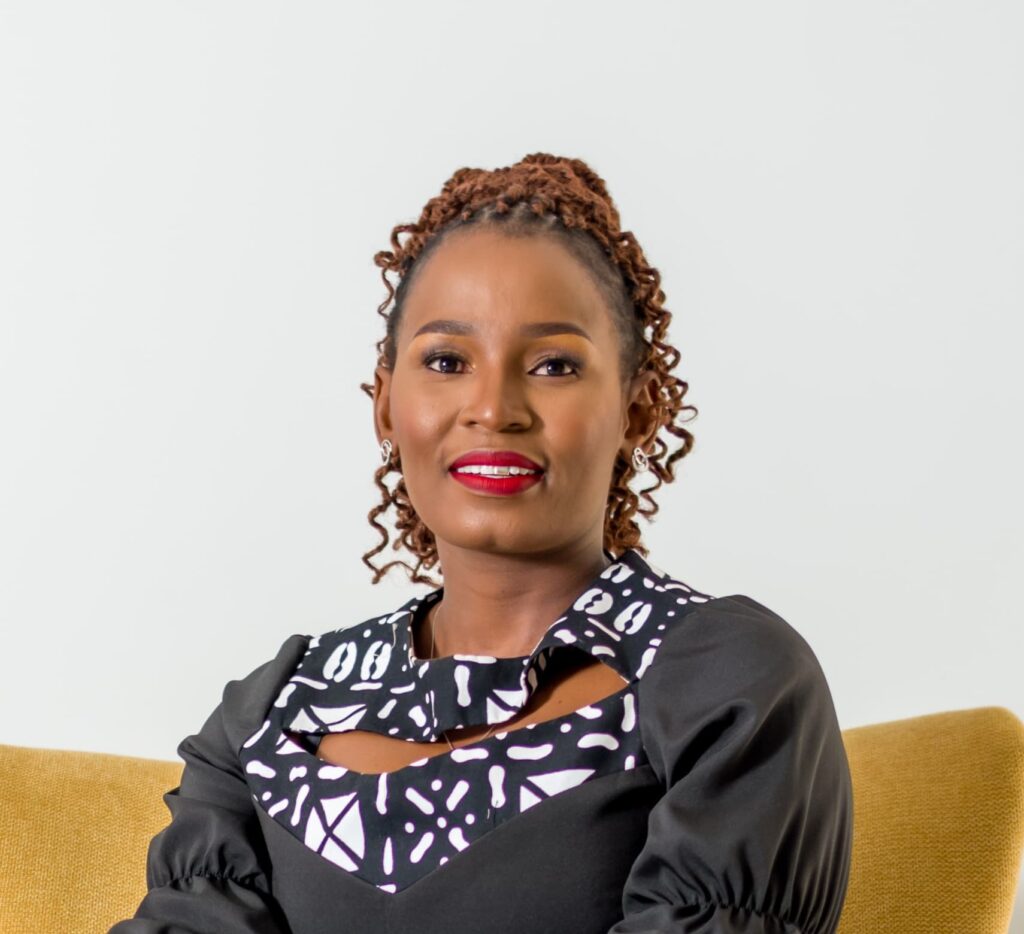
Dr. Mokgadi Hlongwane, Lecturer and Work-Integrated Learning (WIL) Coordinator in the Department of Chemistry at Tshwane University of Technology, won the 2025 Elsevier Foundation Chemistry for Climate Action Challenge for her work on rhizobia-based biofertilizers. A year on, her research has moved from the lab into the fields of Limpopo province, where small-scale farmers are now testing her inoculants on their own crops. We caught up with her to hear what the award changed, what she’s working on next, and her advice for researchers starting out in the field.
What work are you known for – and who does it help?
I am known for developing sustainable, rhizobia-based biofertilizers that improve soil health and support climate-resilient agriculture. My work particularly benefits small-scale farmers and medicinal-plant growers while reducing dependence on synthetic fertilisers.
What did winning the Chemistry Challenge change for you?
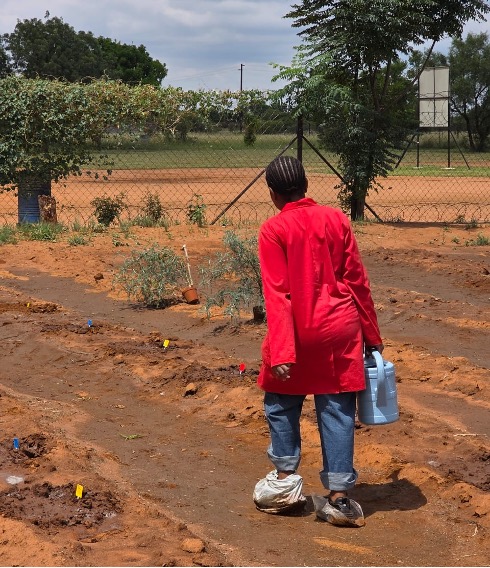
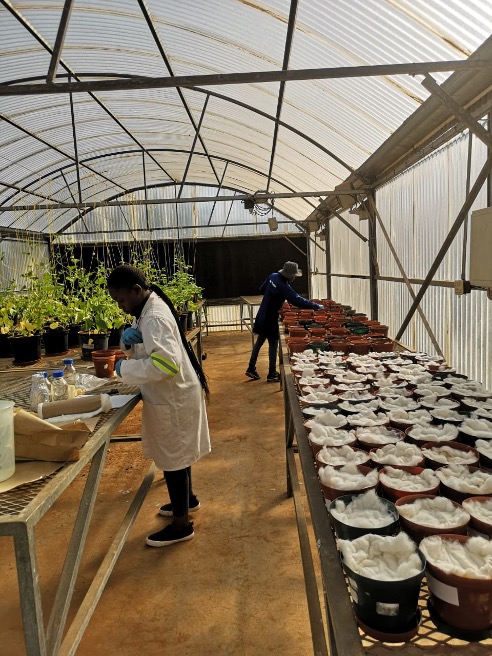
Winning the 2025 Elsevier Foundation Chemistry for Climate Action Challenge gave me the resources and visibility to move my research beyond the laboratory to real-world application. It enabled me to further develop rhizobial isolates as biofertilizer candidates.
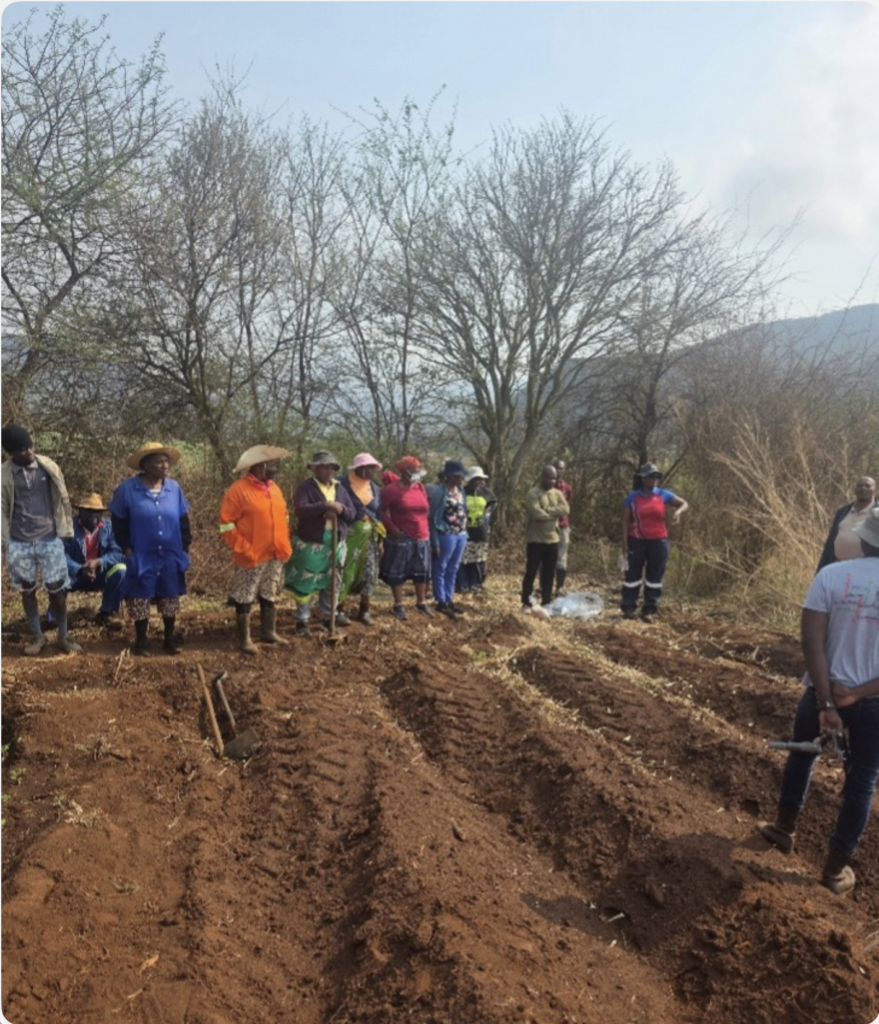
Moreover, I was able to engage directly with small-scale farmers in developing practical, locally relevant, and sustainable solutions. Just on 16 and 17 September 2026, I hosted a workshop with small-scale farmers in Phiring Village, a rural area in Limpopo province, South Africa. About 50 participants had hands-on training on how to inoculate dry beans and groundnuts. These crops are cultivated in the area for subsistence and commercial purposes. The farmers also received inoculants to try out the biofertilizers on their own farms. This will allow them to witness the benefits of rhizobia biofertilizers and more likely adopt their application in the future.
What are you working on now, and what’s next?
I have four master’s students developing three selected rhizobia associated with Lessertia frutescens (a southern African legume) as biofertilizer agents and evaluating their performance in climate-smart farming systems. The projects include field trials, host range studies, and co-inoculation with other sustainable growth promotion materials. The next thing is to evaluate the impact of the rhizobia isolates on the soil nutrients and microbial community.
What advice would you give someone starting in your field?
Remain curious, seek good mentors, and do not be afraid to work across disciplines. Most importantly, engage the people your research is intended to serve. The most meaningful innovations are developed with communities, not just for them.
Complete the sentence: Research and health become more inclusive when…
…diverse voices are valued, communities help shape the solutions, and scientific knowledge is translated into benefits that are accessible to everyone.
—
Dr Hlongwane’s work tells us that climate action and inclusive research go hand in hand: the same biofertilizers strengthening soil health in Limpopo are also reducing farmers’ reliance on costly synthetic inputs. We look forward to seeing where her field trials with Lessertia frutescens-associated rhizobia lead next.
Dr. Mokgadi Miranda Hlongwane is a chemist, researcher, and academic mentor in the Faculty of Science at Tshwane University of Technology, where she obtained her PhD in Chemistry in 2024. Her research expertise lies in sustainable chemistry, plant–microbe interactions, metabolomics, and climate-resilient agricultural systems, with a strong focus on developing environmentally friendly rhizobia-based fertilizers to conventional agricultural inputs.
She is an award-winning emerging researcher and was recognised as the Winner of the 2025 Elsevier Foundation Chemistry for Climate Action Challenge. Most recently, Dr Hlongwane became the first researcher in the faculty to publish with The Conversation. Her article, titled “South Africa’s farmers aren’t yet replacing chemical fertilizers with sustainable alternatives – this is why,” highlights her commitment to science communication, policy-relevant research, and broadening access to scientific knowledge beyond academic audiences.
She currently supervises postgraduate students. Her work has been disseminated through presentations at local and international conferences and publications in peer-reviewed journals.
In addition to her academic work, she plays an active role in scientific leadership and professional service. She serves as Treasurer and Board Member of Metabolomics South Africa and contributes to the organisation of national and international scientific conferences. She is also deeply committed to community engagement and science outreach, having served as a science fair judge, contributor to National Science Week, and founder of the Leaders Reading Drive at her former high school. Through these initiatives, she promotes STEM education and literacy and inspires the next generation of scientists.