FAO – Research4Life e-learning Program
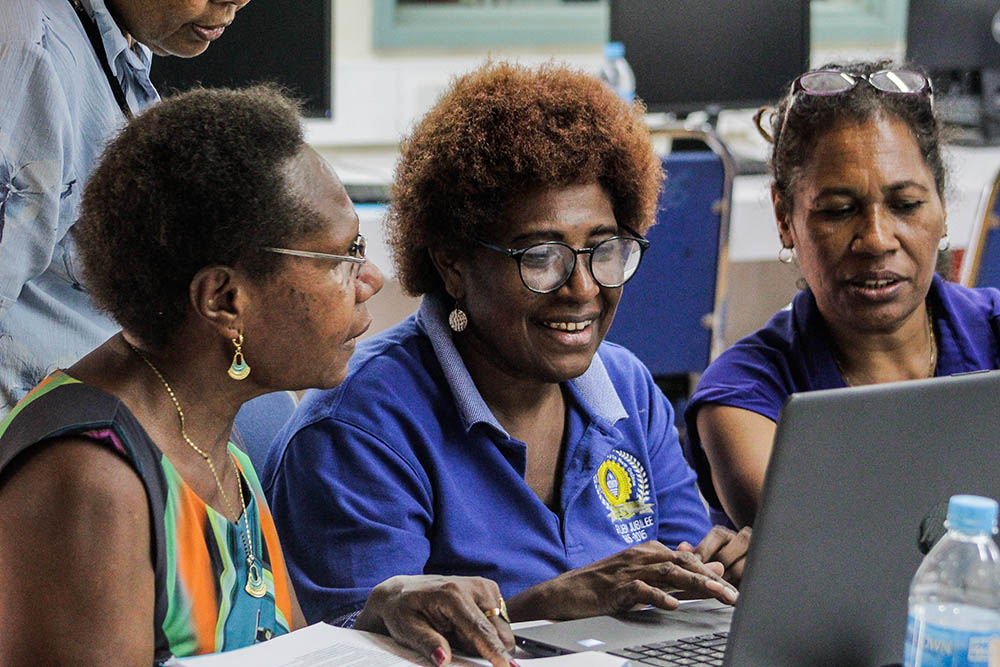
Access to reliable scientific knowledge is essential for advancing research, informing policy and strengthening health and education systems. Yet researchers, clinicians and students in many low- and middle-income countries continue to face barriers in accessing and using up-to-date scholarly information. Bridging this gap requires not only improved access to research literature but also the skills needed to effectively find, evaluate and apply scientific knowledge.
Research4Life is a public-private partnership of the WHO, FAO, UNEP, WIPO, ILO, Cornell and Yale Universities, the International Association of Scientific, Technical & Medical Publishers and up to 180 international publishers. The goal of Research4Life is to reduce the knowledge gap between high-income countries and low- and middle-income countries by providing affordable access to scholarly, professional and research information.
The Elsevier Foundation supported the development of a Research4Life e-learning initiative designed to strengthen the capacity of researchers and librarians to use these resources effectively. By focusing on digital training and scalable learning approaches, the partnership helped expand opportunities for research communities in resource-constrained settings to build essential information and scholarly communication skills.
What we do
Through this collaboration, the Elsevier Foundation supported the creation of a pilot massive open online course (MOOC) developed by the FAO-led Research4Life Capacity Development Team. The course was designed to provide Research4Life users with practical training in information literacy, scholarly communication and research information management.
The program introduced participants to key concepts such as identifying reliable information sources, developing effective search strategies and navigating the Research4Life platform. Participants also explored academic integrity and ethical research practices, including proper citation and referencing.
In addition to building individual skills, the initiative aimed to strengthen the broader research support ecosystem by equipping librarians and information professionals with the knowledge needed to guide researchers in accessing and using scholarly resources.
How we deliver
The e-learning program was delivered through a structured online course consisting of multiple modules and lessons focused on practical information and research skills. Participants engaged with digital learning materials covering topics such as information discovery, scholarly publishing and effective use of research databases.
By offering the course online, the program expanded access to training opportunities for participants across a wide range of Research4Life-eligible countries. The initiative also complemented existing capacity-building efforts within the Research4Life partnership, which had traditionally relied on in-person training workshops.
This collaboration demonstrated the potential of scalable digital learning approaches to strengthen research capacity globally. By helping librarians and researchers develop stronger information literacy skills, the program contributed to improving the effective use of scientific knowledge in institutions serving some of the world’s most resource-constrained communities.
