DataKind – DataDives
Nonprofit organizations increasingly collect large amounts of data through their programs, services and digital tools. However, many mission-driven organizations lack the technical resources or expertise needed to fully analyze and apply this information to improve their work. Strengthening the ability of nonprofits to use data effectively can help them better understand the communities they serve and make more informed decisions about their programs and strategies.
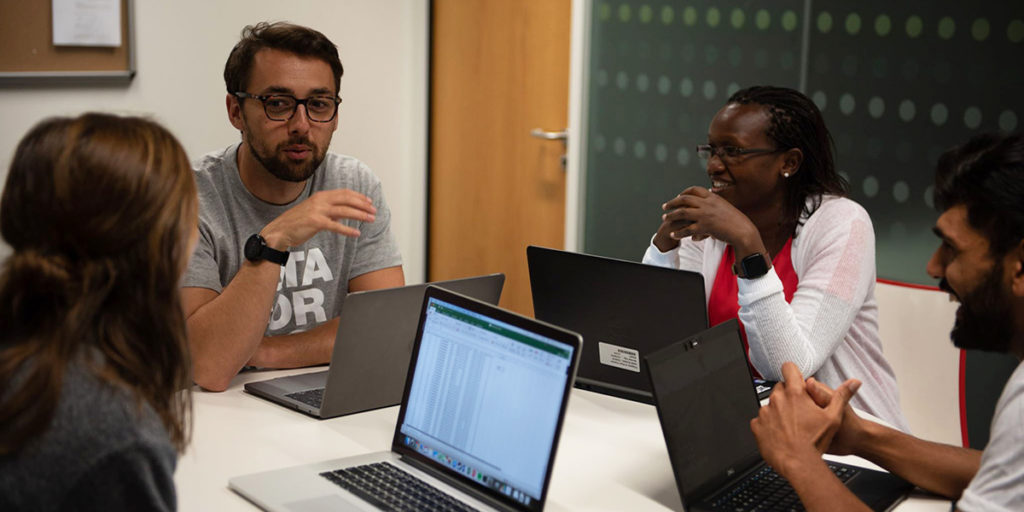
The Elsevier Foundation partnered with DataKind to support DataDives—intensive, collaborative events where volunteer data scientists, developers and designers work alongside nonprofit organizations to analyze data and explore solutions to real-world challenges. These high-energy, hackathon-style gatherings brought together multidisciplinary teams to generate insights, prototypes and analytical approaches that could support the missions of participating organizations.
Through this collaboration, the partnership helped demonstrate how data science and technology expertise can be applied to social challenges, enabling nonprofits to harness the value of their data in new and meaningful ways.
What we do
Through our partnership with DataKind, the Elsevier Foundation supported a series of DataDive events that connected nonprofit organizations with volunteer data science professionals. These events created an environment where participants worked collaboratively over an intensive two-day period to analyze datasets, develop visualizations and explore potential analytical solutions to key organizational questions.
Nonprofit partners participating in the program included organizations focused on youth employment, mental health support and wellbeing services for young people. Each organization arrived with a specific challenge related to the data they had collected through their programs. Data scientists and technologists then worked in teams to explore patterns, generate insights and build early analytical models that could help inform program strategy.
In addition to the event itself, a group of experienced volunteer “Data Ambassadors” worked with nonprofit partners in advance to define the most relevant data questions and prepare datasets for analysis. This preparation helped ensure that the collaborative work during the DataDive could focus on generating meaningful insights and practical outputs.
How we deliver
The initiative was delivered through a combination of preparation, collaborative events and follow-up engagement. DataDive events brought together between 50 and 150 volunteer data scientists, developers and designers who contributed their expertise on a pro bono basis.
Working in teams, participants analyzed nonprofit datasets, created data visualizations and developed prototype models designed to help organizations better understand trends within their programs or communities. These outputs provided nonprofit partners with initial analytical tools and insights that could inform decision-making and program development.
The partnership also supported an additional collaboration with DataKind focused on disaster risk reduction. This work explored how machine learning and satellite imagery could be used to analyze building structures and identify communities that may be particularly vulnerable to natural disasters. The project illustrated the potential for innovative data sources and advanced analytical techniques to support humanitarian and development efforts.
Through these collaborations, the Elsevier Foundation helped expand opportunities for nonprofits to engage with data science expertise, demonstrating how cross-sector collaboration can unlock new insights and strengthen the impact of social change organizations.
