Asian Scientist-Elsevier Salon for Leadership in STEM
According to Elsevier’s 2024 Gender Report, an estimated 41% of the world’s researchers are women. However, this number declines greatly across Asia and when we look at the percentage of women who have taken up leadership positions in their organizations.
The Elsevier Foundation partners with Asian Scientist to help address this gap by supporting leadership development opportunities for researchers in the region. Through the Salon for Leadership in STEM, the partnership creates a space where emerging leaders can build skills, exchange perspectives, and strengthen professional networks. By focusing on both individual growth and collective progress, the initiative contributes to a more inclusive and representative STEM ecosystem in Asia.
What we do
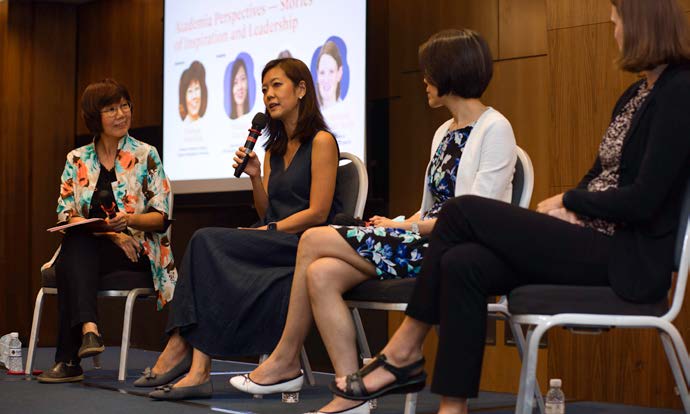
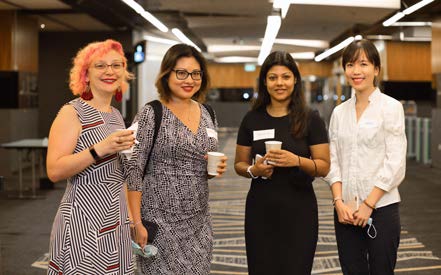
The Asian Scientist-Elsevier Foundation Salon for Leadership in STEM is a two-day intensive in-person leadership program that aims to equip women with the skills required for professional development and success. It is designed to create a safe space for women to gather, exchange ideas, get inspired and support one another in their professional journeys — helping to close the gender gap for women scientists in Singapore through capacity building, role modelling and networking.
The partnership supports the design and delivery of leadership-focused convenings that equip researchers with the skills and confidence needed to advance into leadership roles. It emphasizes the importance of inclusive leadership, effective communication, and peer support in shaping career pathways. Through these efforts, the program strengthens not only individual capabilities but also the broader systems that enable more diverse leadership within science and technology.
How we deliver
This work is delivered through a combination of interactive, in-person and collaborative formats that bring together researchers, senior leaders, and subject matter experts.
Key approaches include:
- Facilitated workshops focused on leadership development, science communication, and professional visibility.
- Peer learning and networking opportunities that foster ongoing collaboration across countries and disciplines.
- Structured discussions on inclusive leadership and building supportive research environments.
- Engagement with role models and experienced leaders who share practical insights and lived experience.
Together, these elements create a dynamic learning environment that supports both personal development and community-building.
