Mentoring pregnant adolescent girls in Sierra Leone: lessons from 2YoungLives
Mentoring pregnant adolescent girls in Sierra Leone achieved a 48% reduction in combined maternal and perinatal mortality in a pilot cluster trial across 12 communities. 2YoungLives, a community mentoring programme, is one of the three inaugural winners of the Lancet–Elsevier Foundation Evidence to Impact Awards.
This article was drafted by the 2YoungLives team for the Elsevier Foundation website.
The awards recognize research teams that turn evidence into measurable improvements in health. 2YoungLives is a grassroots programme that supports pregnant adolescent girls through pregnancy and for one year after birth. In the trial, which involved nearly 700 girls, the team needed to mentor just 15 girls to save one baby’s life. The programme also led to more hospital births, girls returning to school or training in trades such as plumbing, electrical installation, IT and hospitality, and very few second pregnancies.
1. Start with the community, not the trial
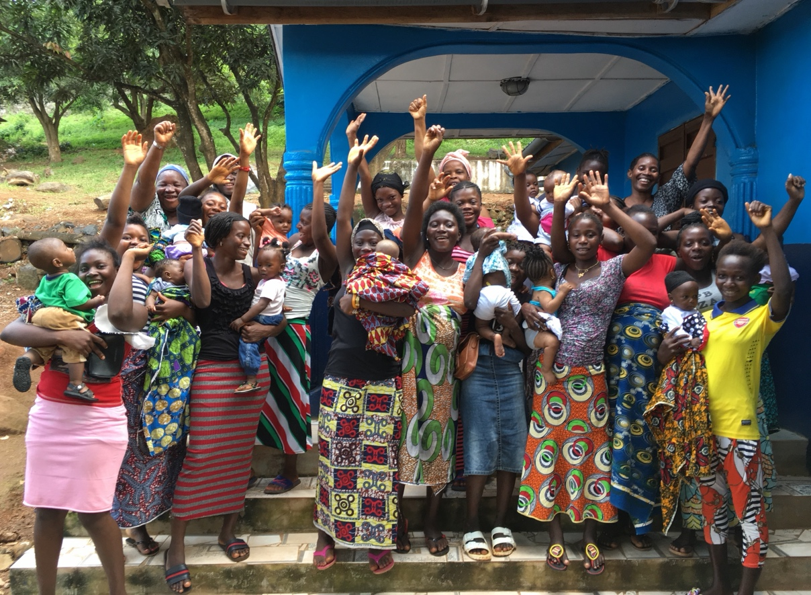
Our trajectory happened in reverse compared to traditional trials. Researchers didn’t design 2YoungLives; it was developed organically by Lifeline Nehemiah Projects, a local community-based NGO, and rooted in a post-Ebola household survey showing high maternal mortality for adolescents, drawing from Lifeline’s expertise in youth support and sustainable development, and Mangenda’s lived experience as a teenage mother. Using a hybrid effectiveness-implementation trial design from day one meant we didn’t just ask if mentoring worked, but how it worked and what local barriers stood in the way.
2. Go beyond the clinic
A purely facility-based intervention wouldn’t have worked in a fragile health system where girls avoid clinics due to stigma, disrespectful care and out-of-pocket costs. Alongside our trial, community surveys with local women also uncovered massive age misreporting at clinics (with 13- and 14-year-olds declaring themselves as much older) and maternal and perinatal deaths missing from official records. Because girls cannot access clinical care if they cannot afford transport or food, combining one-to-one mentoring with family reconciliation and small business micro-grants was essential to saving lives.
3. Build trust, one conversation at a time
“It takes a thousand conversations to change community mindsets.” That phrase from Lifeline’s director, Prince Williams, captures the heart of our work. When a remote Muslim community initially refused to engage because they didn’t trust NGOs who just arrive for data and leave, the Lifeline team brought their chiefs and elders to Freetown to see their mission firsthand. Turning that challenge around led this community to be one of the clusters with the best outcomes in the trial; having a male leader like Prince working alongside Mangenda emphasised that adolescent pregnancy is a whole community, not just a women’s issue. Similarly, when hospital matrons felt threatened by mentors advocating for better care, our local teams invited midwives and teachers to monthly 2YoungLives meetings in the girls’ own community spaces, breaking down power dynamics and sparking a new adolescent clinic in Tombo.
4. Hold on to the core, embrace local solutions
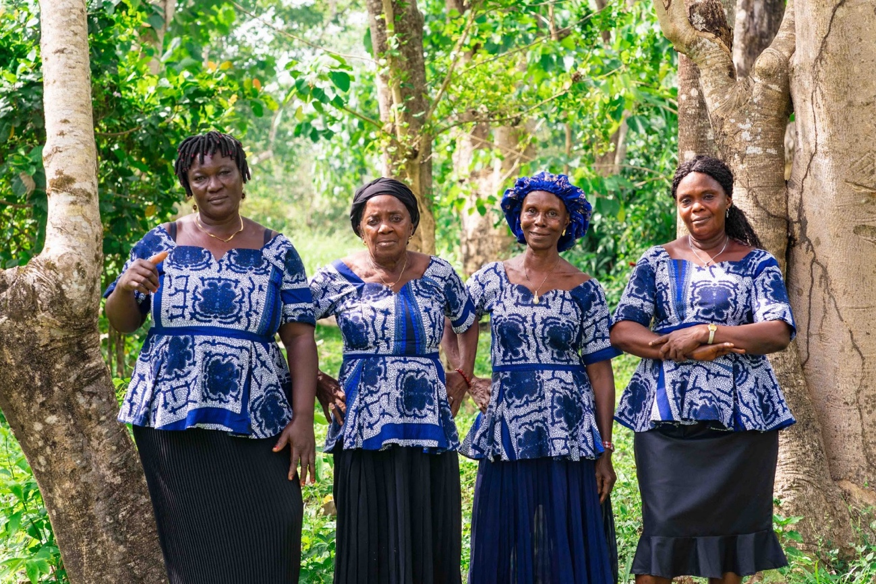
Protecting fidelity during implementation means holding tight to core mechanisms of change, relationship-based mentoring, trust, and empowerment, while giving local teams flexibility to navigate local challenges like secret FGM societies or hostility toward mentors defending girls’ rights.
On-the-ground feedback also drove practical adaptations, including local baby food workshops when babies lost weight during weaning, annual refresher trainings for mentors, and “Radical Inclusion” workshops to help teachers welcome young mothers back into school.
5. Sustainability is what stays behind when funding stops
While we are finalising the implementation and return-on-investment evaluation to help policymakers embed 2YoungLives into national systems, having now mentored over 900 girls across more than six districts with zero maternal deaths, true sustainability is also about what stays behind when funding stops. When volunteer mentors continue advocating for girls outside the trial, communities pass bylaws protecting pregnant daughters, and mindsets shift around FGM, child marriage and girls’ education, the work transforms from an NGO project into a lasting community norm.
Join the Evidence to Impact webinar on 18 November
Join The Lancet and the Elsevier Foundation on 18 November 2026, 9:00 to 10:30 GMT, when the three winning teams of the inaugural Evidence to Impact Awards share their work.
