Black Girls Code – CODE Girl Club
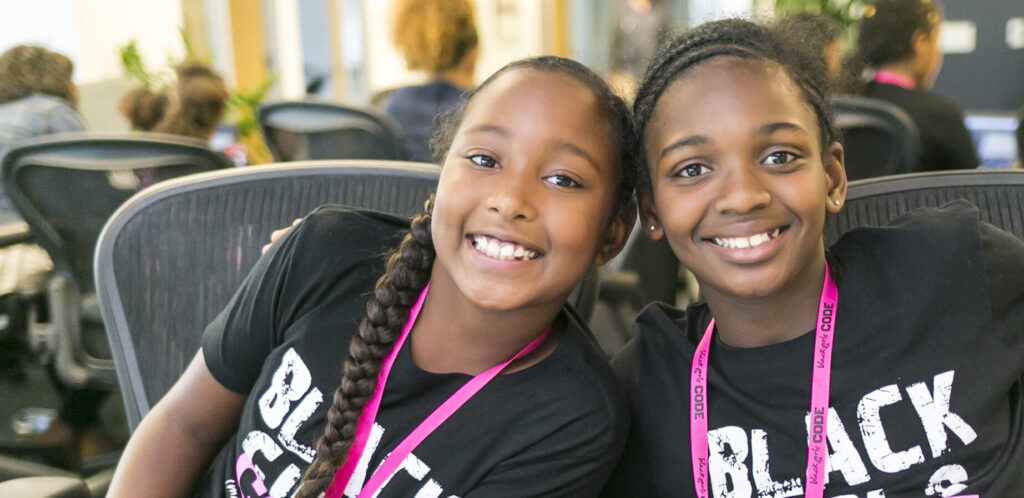
Across the technology sector, women—and particularly women of color—remain significantly underrepresented. Early exposure to science, technology, engineering and mathematics (STEM) plays a critical role in shaping whether young people see themselves pursuing careers in these fields. When students lack representation or supportive learning environments, many lose interest in pathways that could otherwise unlock their potential.
The Elsevier Foundation partnered with Black Girls CODE, an organization committed to expanding access to technology education for girls from underrepresented communities. Through culturally responsive programming and mentorship, Black Girls CODE introduces participants to the creative and practical possibilities of computer science while helping build confidence, community and a sense of belonging in technology fields. By creating early opportunities for engagement in coding and digital skills, the partnership contributes to a broader effort to strengthen equity in STEM education and support the next generation of diverse innovators and technology leaders.
What we do
Through this partnership, the Elsevier Foundation supported the launch of a Black Girls CODE Club in Philadelphia, designed to introduce students to foundational programming skills in an interactive and supportive environment.
The program offers a structured series of sessions where participants explore key areas of technology including mobile app development, web development and game design. These hands-on learning experiences allow students to develop practical coding skills while also gaining exposure to the wider ecosystem of technology careers. In addition to technical instruction, the program fostered mentorship and peer learning. Participants engage with instructors and role models working in technology fields, helping them better understand potential career paths and envision themselves as future contributors to the industry.
How we deliver
The CODE Club ran as a multi-week program combining structured instruction with collaborative project work and guided practice. Through interactive workshops, students developed foundational coding skills while applying their learning to creative projects.
Participants also had access to additional support through instructor office hours, allowing them to ask questions, deepen their understanding of programming concepts and receive guidance as they progressed through the sessions.
By supporting this initiative, the Elsevier Foundation helped expand access to technology education for girls from historically underrepresented communities. The partnership contributed to strengthening the pipeline of diverse talent entering STEM fields and demonstrated how community-based learning programs can inspire the next generation of technology innovators.
