Today, more than half of the world’s research authors are based in low- and middle-income countries. Researchers there are ambitious, connected and increasingly productive, and yet many still face barriers at every step of the journey, from winning funding to finding collaborators to getting published.
To understand what that looks like in practice, Elsevier, the Elsevier Foundation and Research4Life surveyed researchers across more than 73 countries, and heard from institutional leaders. Together, their voices show where the research system is working, where it isn’t, and what would make the biggest difference.
Building research capacity is just the starting point to make genuine progress toward full participation, authorship and leadership in global research. Dive into the findings and recommendations, and use them to start conversations in your own institution.

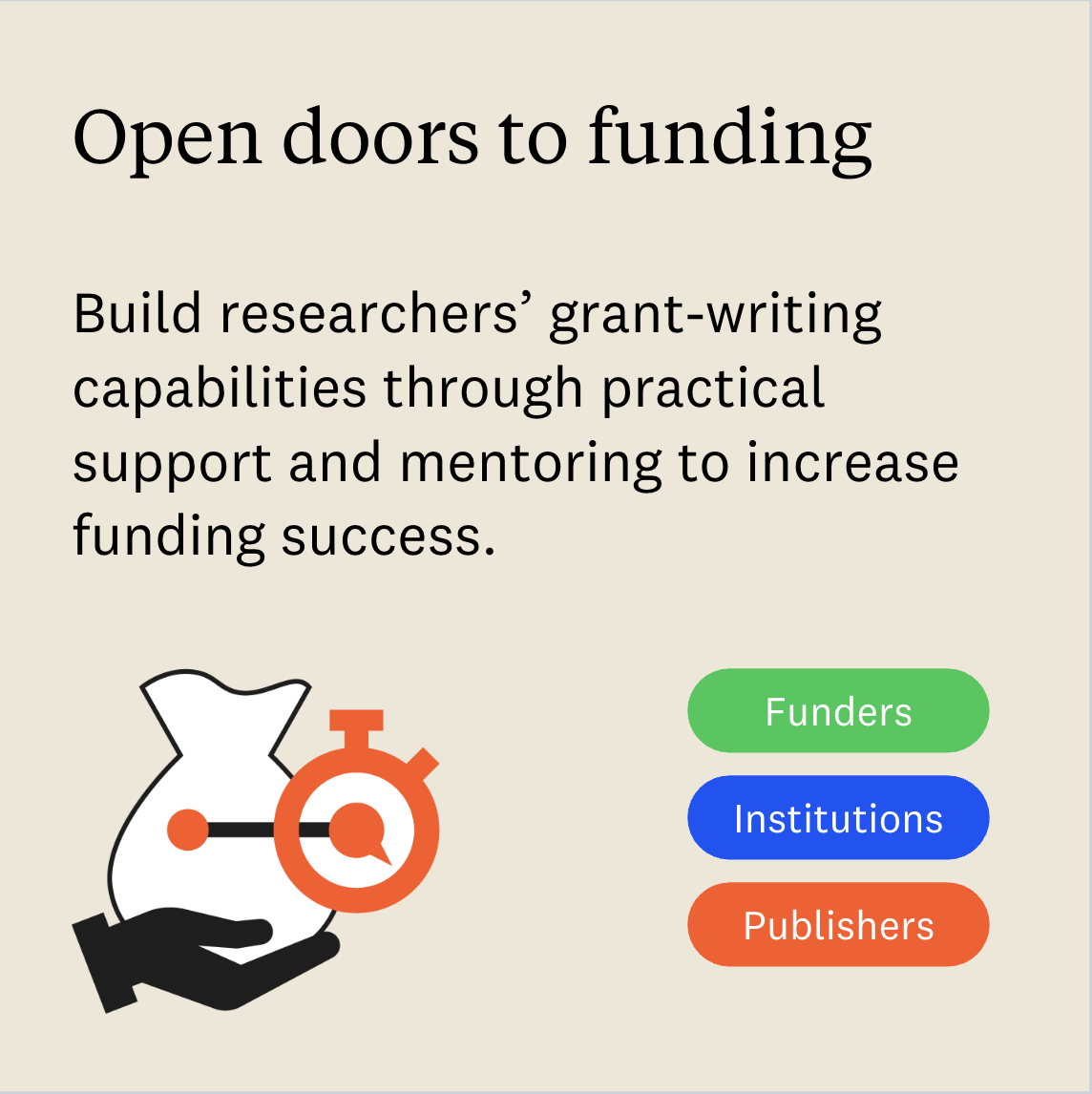
Researchers are applying, but funding success remains limited
Leaders say funding and institutional capacity are the biggest constraints on their ambitions – and researchers agree.
- 52% applied for research funding in the last three years; 56% of those applied two to three times.
- 32% average application success rate (comparable to global rates).
- 13% report a success rate of just 1-10%; 27% say none of their applications succeeded; only 15% succeed with more than three-quarters.
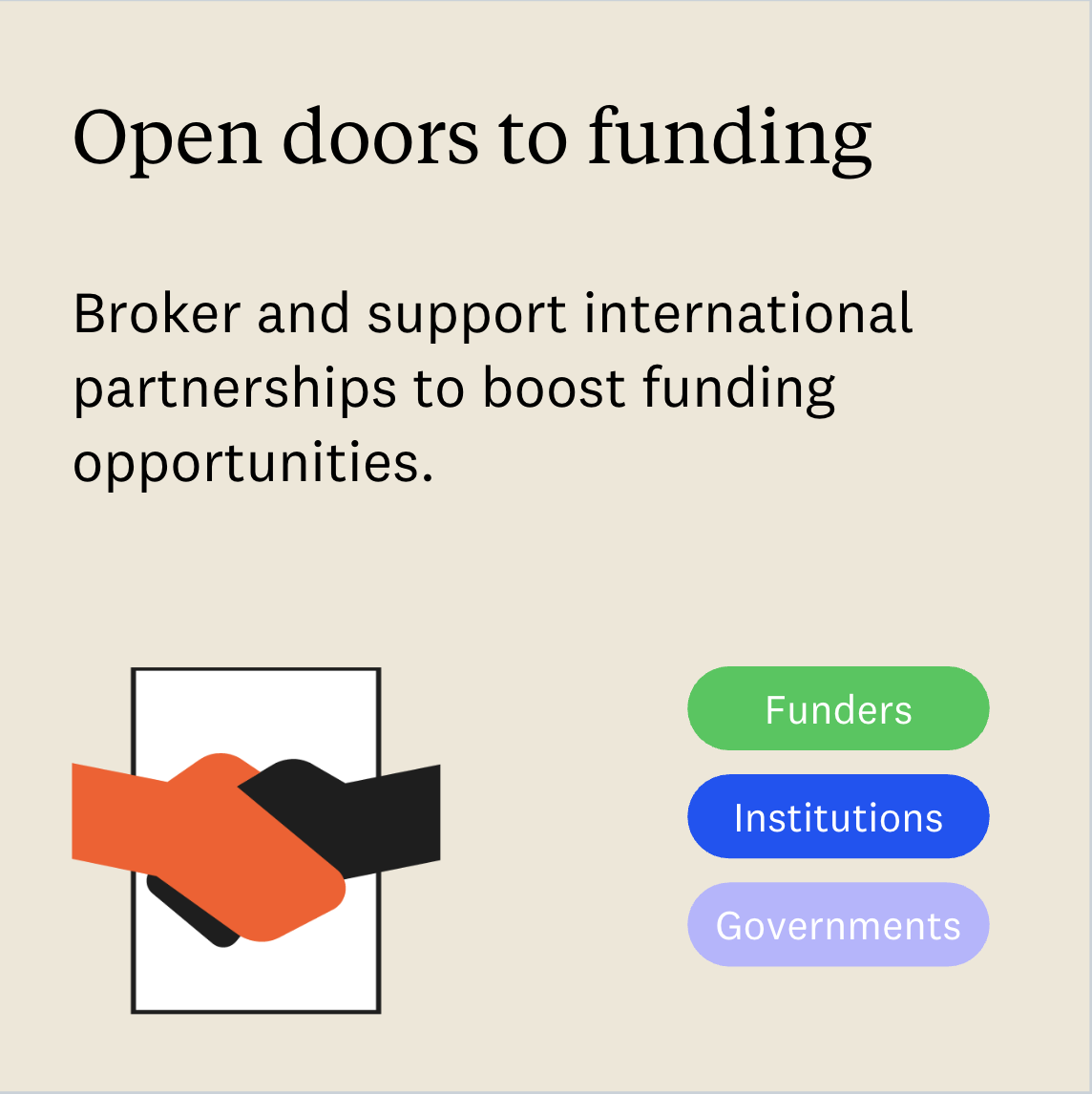
- 48% say limited international support and partnerships hinder access to funding.
Collaboration is global, access to it is not
Most researchers collaborate internationally, but networks, money and recognition shape who gets to.
- 59% collaborated internationally in the last three years, mainly to enhance research quality (66%) and expand networks (60%).
- 54% struggle to find opportunities or platforms to connect, and 54% to identify suitable collaborators; 42% say financial barriers are the biggest challenge once collaborating.
- 28% start collaborations through existing networks, and 28% through introductions from colleagues or mentors, but 51% belong to no professional organization.
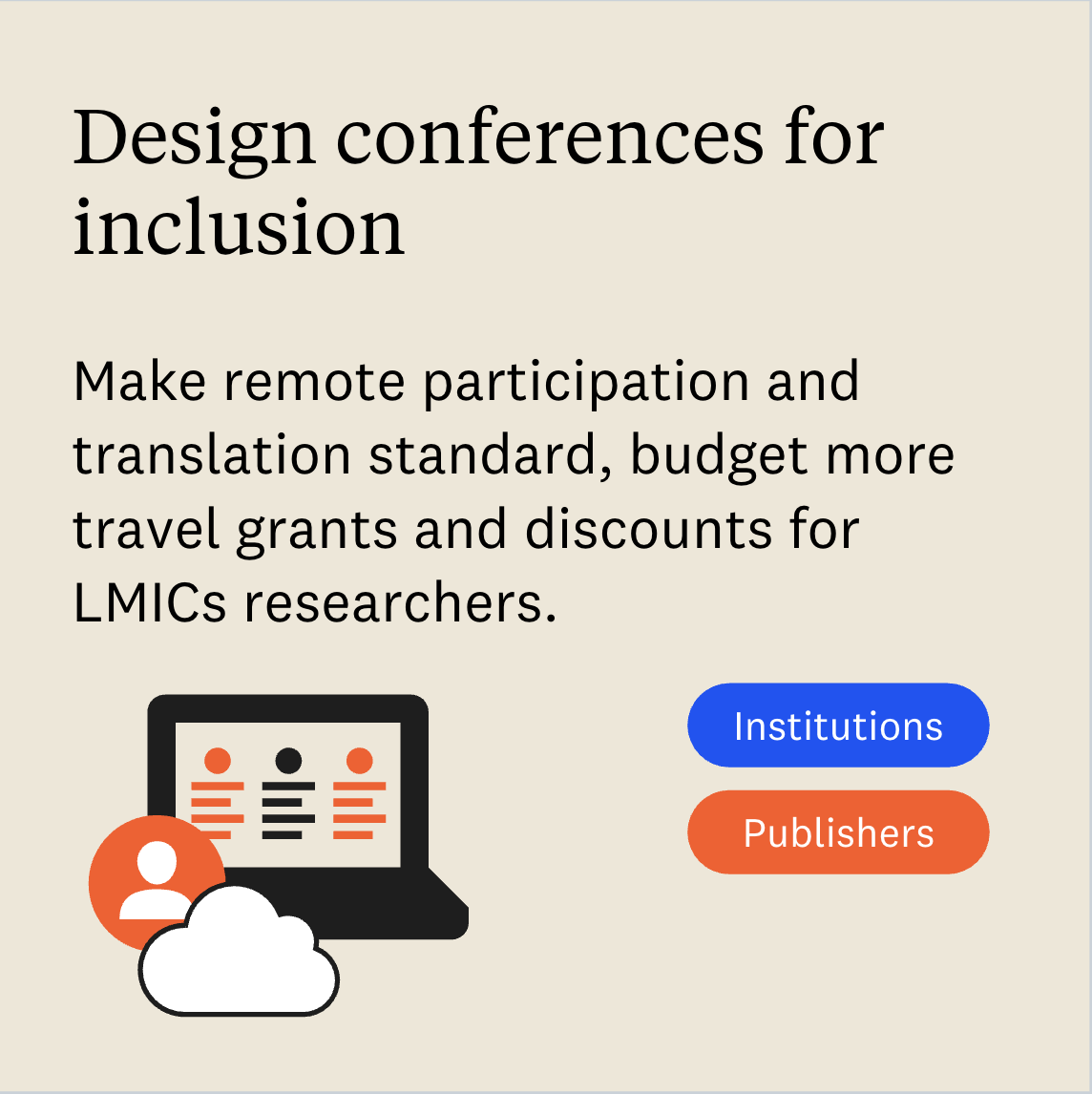
- 87% say remote participation at events is important.
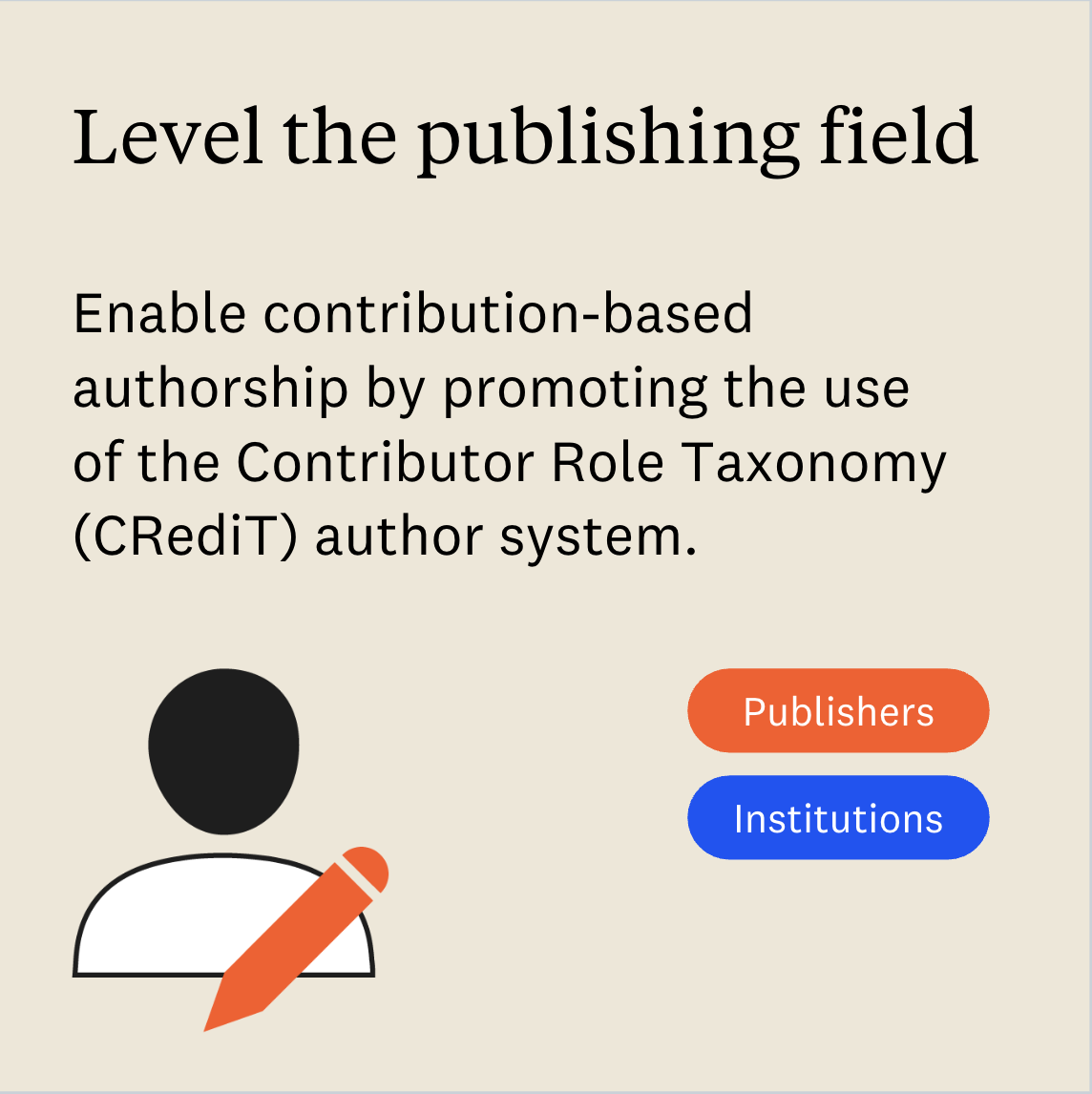
- 32% have had to manage publication expectations; ~a quarter report difficulties gaining recognition (15% lower authorship position than expected, 8% not listed as corresponding author).

Willing to publish, review and edit – but costs and invitations hold researchers back
Researchers publish globally, but only half feel they have an equal chance.
- 86% have published in a global or international journal, but only 51% feel they have equal opportunity to publish internationally (32% do not).
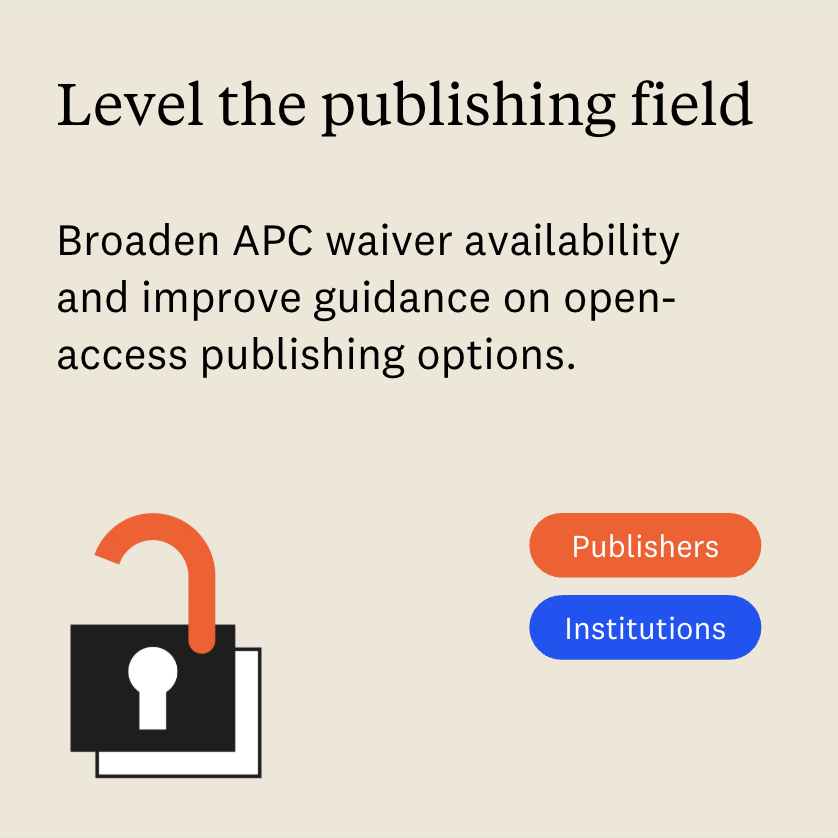
- 88% say publishing open access is important; 73% say APC costs most influence their choice; only 48% have had an APC waiver or discount.
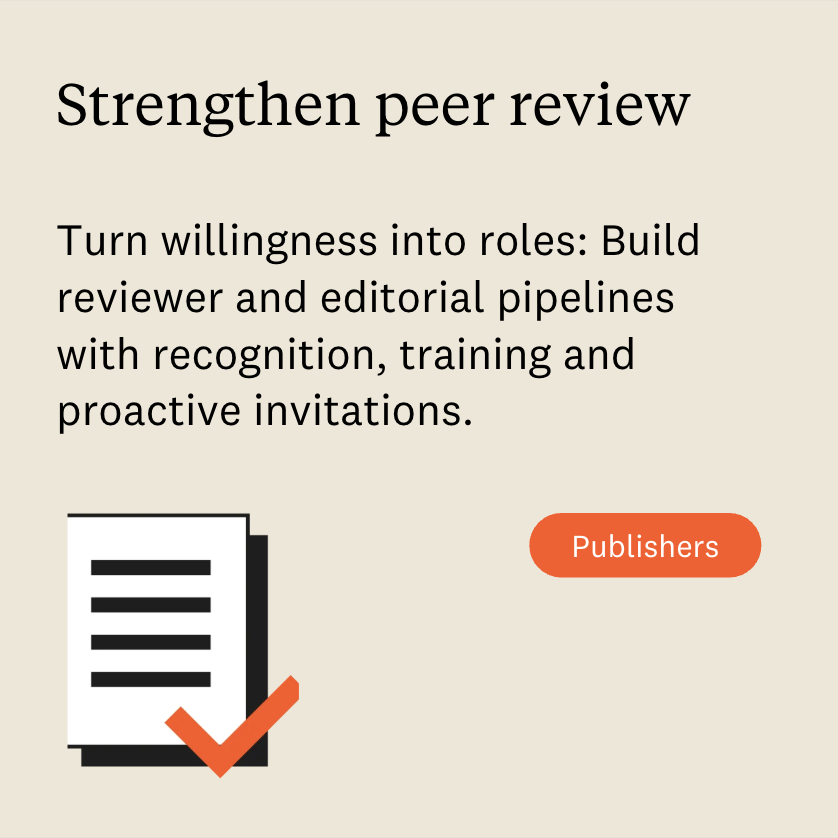
- 87% want to peer review and 75% want an editorial board role, yet only 37% have been invited onto a board in five years (59% never).
- Women are more likely than men never to have been invited (65% vs. 55%); interest is highest in Sub-Saharan Africa (85%).
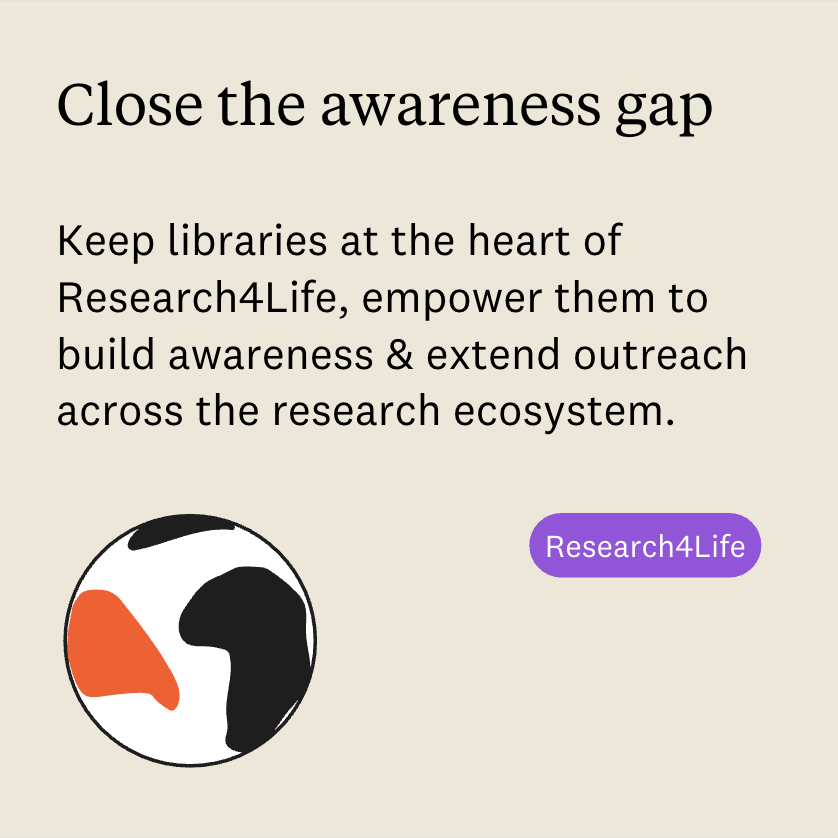
- 82% of those aware of Research4Life find it useful (48% very useful).
Whose definition of excellence? And who gets the tool to meet it?
Researchers value rigor over prestige, and many feel global definitions of excellence don’t reflect their reality.
- 61% say methodological rigor and quality is the top indicator of research excellence, ahead of publishing in high-impact journals (53%), real-world impact (51%) and ethical conduct (49%).
- Only 41% agree that how excellence is defined globally reflects their country’s priorities; 32% disagree.
- Every institutional leader interviewed discussed AI, and many named it their biggest capacity challenge.
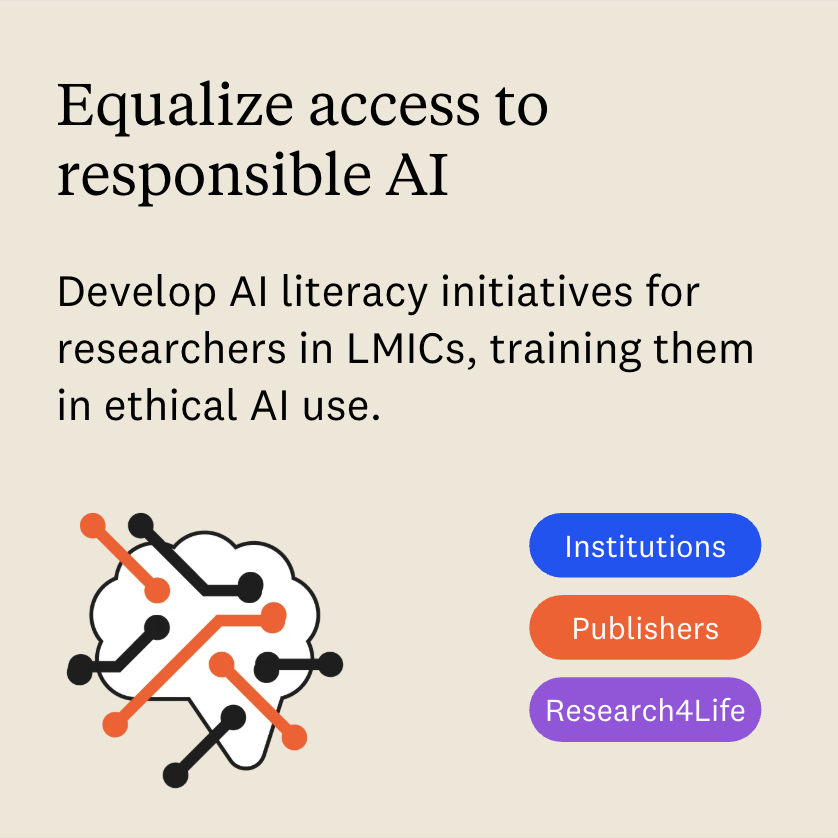
- 45% of researchers globally feel undertrained in AI and only 32% say their institution’s AI governance is good.
Recommendations: what makes the biggest difference?

Resources
– Databook
Voices from the community