Award
Innovate for Life
Celebrating African innovators transforming healthcare.
The Innovate for Life accelerator program recognizes outstanding health-tech entrepreneurs developing bold, scalable solutions that expand access to care and strengthen health systems across Africa.
This grant program is closed.
First cohort accelerator
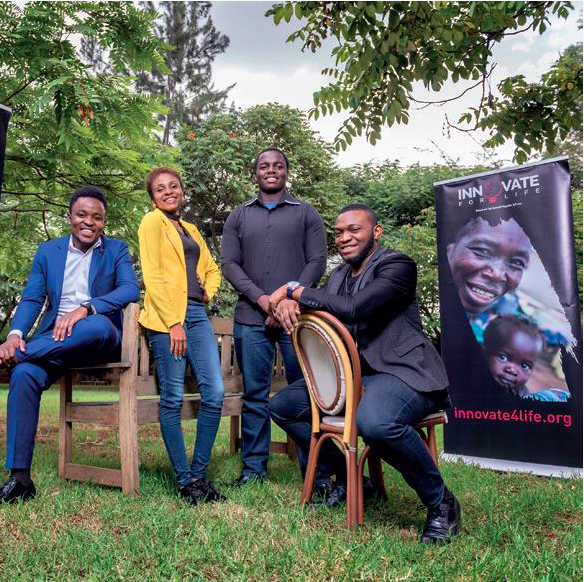
The first accelerator cohort consisted of 6 entrepreneurs from Nigeria, Ghana, and Kenya who attended intensive training weeks in Sep and Nov 2017 on health- and business-related topics. They were given networking opportunities with Kenyan entrepreneurs, investors, the Kenyan Minister of Health, Elsevier and Amref. The top 3 entrepreneurs selected were:
- Omomi: an online community app for young mothers to monitor and respond to the health challenges of children under five. It now has over 30,000 users.
- Mahauty Health Solutions: a product line of preservative free, nutritionally balanced foods for children. It also connects over 8.000 mothers via social media and provides regular nutritional advisory sessions using Facebook Live.
- Usalama: an emergency services app connecting users to seven emergency service providers and 5400 downloads.
Second cohort accelerator
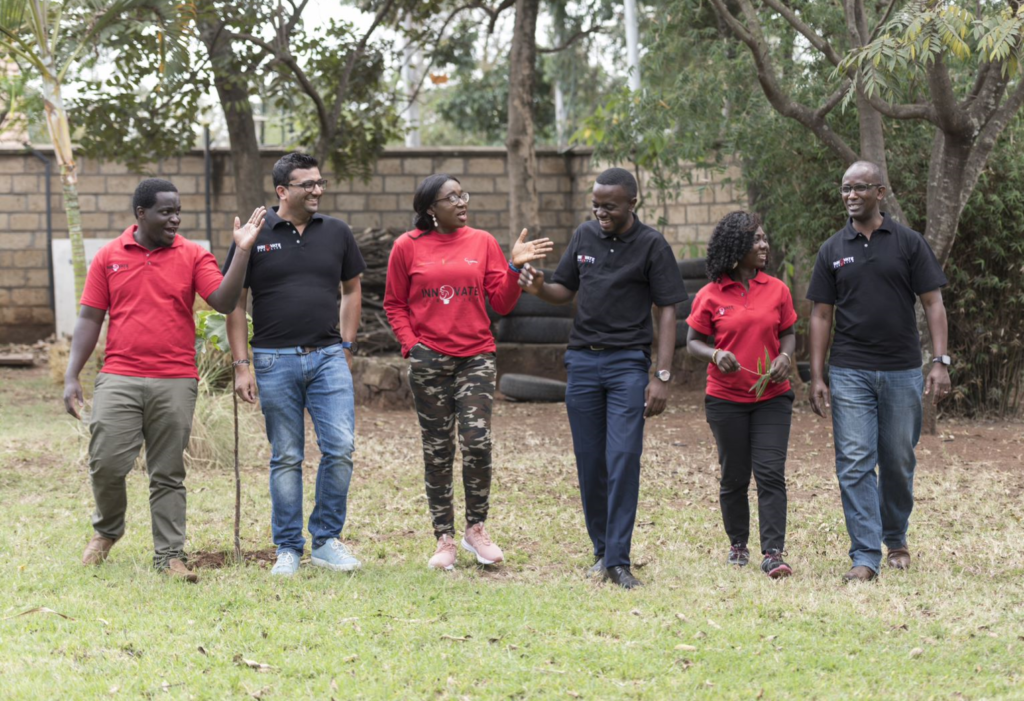
The second cohort gathered six other entrepreneurs carefully selected out of over 300 applications from all over sub-Saharan Africa. Similarly to the first cohort, they were also given networking opportunities with different stakeholders, including MOH, Ruiru IV Hospital, GSK, Virtual City and Oracle. The top 6 entrepreneurs selected were:
- Seun Sangoleye, founder of Baby Grubz. A social enterprise that manufactures and distributes baby food in Nigeria, and other West African countries.
- Virtue Oboro, founder of Tiny Hearts Technology. A medical manufacturing company that produces the “Crib A glow” Phototherapy Unit. A device used for the treatment of neonatal jaundice in newborn babies.
- Paul Mugambi from Kenya of Baobab Circle. He is part of the team that has developed Africa’s first, low cost diabetes and hypertension mobile app.
- Jinit Shah, the man behind Ujuzi Fursa Africa. The venture is a workforce development center offering training on caregiving. It also deploys, employs and outsources certified caregivers to hospitals, retirement homes, and individual homes who require dedicated elderly care.
- Joel Mukasa, founder of Joelex. The enterprise makes water and sanitation accessible and affordable for the urban poor in Uganda by building and operating toilets and showers. They safely dispose the collected waste by turning it into cleaner-burning charcoal briquettes used as cooking energy within slums and markets.
- And finally Stuart Nyakatswau from Zimbabwe, founder of Wastinnova. The company aims to decrease biohazard waste disposal from health-care and research centers and medical laboratories. They increase recycling through environmentally sustainable methods.
Third cohort accelerator

The third cohort gathered a cohort of 4 entrepreneurs carefully selected out of over a great number applications from all over sub-Saharan Africa. The top 4 entrepreneurs selected were:
- Michael Tariku, from Shayashone PLC: Shayashone (SYS) is a private limited company engaged in agricultural commercialization and supply chain development for social impact products, agribusiness advisory, and consultancy and import of industrial raw materials and manufacturing.
- Dahabo Adi Galgallo from Strategies for Northern Development: Strategies for Northern Development (SND) provides an integrated maternal and child mobile health care service for pastoralist women who are unable to access pre/postnatal services, by utilizing an improvised, culturally and socially acceptable Global Positioning System (GPS) ornamental pieces in form of bracelets.
- Nebiyat Demeke Fiseha from Rohobot Nursing Service
Established in 2017, Rohobot is a home-based health care service that strives to create a suitable environment for chronic and elderly people in Ethiopia and Africa. The company provides home-based health care services to elderly people living with chronic illnesses, to help them attain the highest level of independence by offering them support and their families. - Ebby Weyime from The Grace Cup: The Grace Cup promotes and sells reusable menstrual cups and cloth pads since 2017. The company has so far worked with over 2,000 girls and boys across Kenya training them on menstrual hygiene.
