AtoANI’s farming-as-a-service model: scaling AI for smallholder farmers
Maria Wilvenna Añora co-founded AtoANI to help smallholder farmers turn data and AI into better harvests, higher incomes and less waste. Her Farming-as-a-Service model – which pairs AtoANI iCROP AI with market access and carbon-credit opportunities – grew out of her time as an alumna of the Elsevier Foundation Chemistry Challenge, where her early work on circular, waste-to-value solutions first caught our attention. We caught up with her on what winning the Challenge in 2023 unlocked, and how AtoANI is now scaling climate-smart agriculture across the Philippines and into new export markets.
In one or two sentences, what’s the work you’re known for and who does it help?
I co-founded AtoANI, where we are building a Farming-as-a-Service model that combines AtoANI iCROP AI, agricultural distribution and market access, and carbon-credit opportunities. We help smallholder farmers and farming communities use data and AI to make better production decisions, grow based on real market demand, reduce waste, access higher-value markets and build more sustainable livelihoods.
What did winning the Chemistry Challenge change for you?
Winning the Chemistry Challenge opened new connections and helped us see opportunities to build new, circular revenue streams around agriculture. One example is our work exploring the conversion of agricultural waste into biochar, which can potentially generate carbon credits while returning a useful soil input to farms.
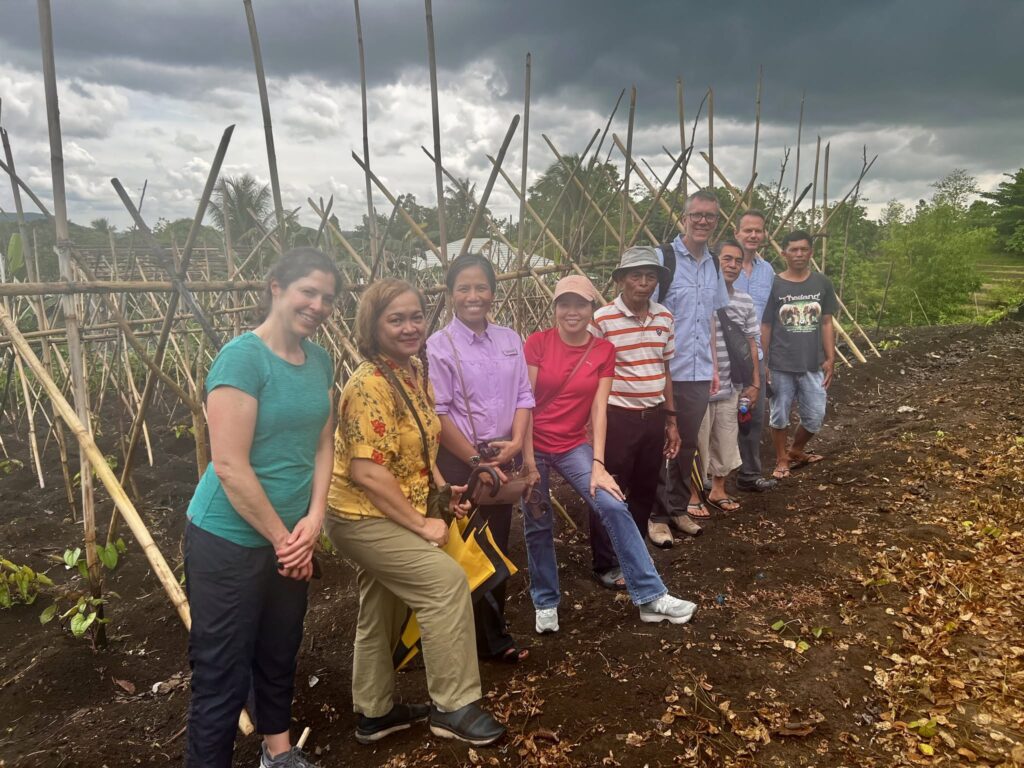
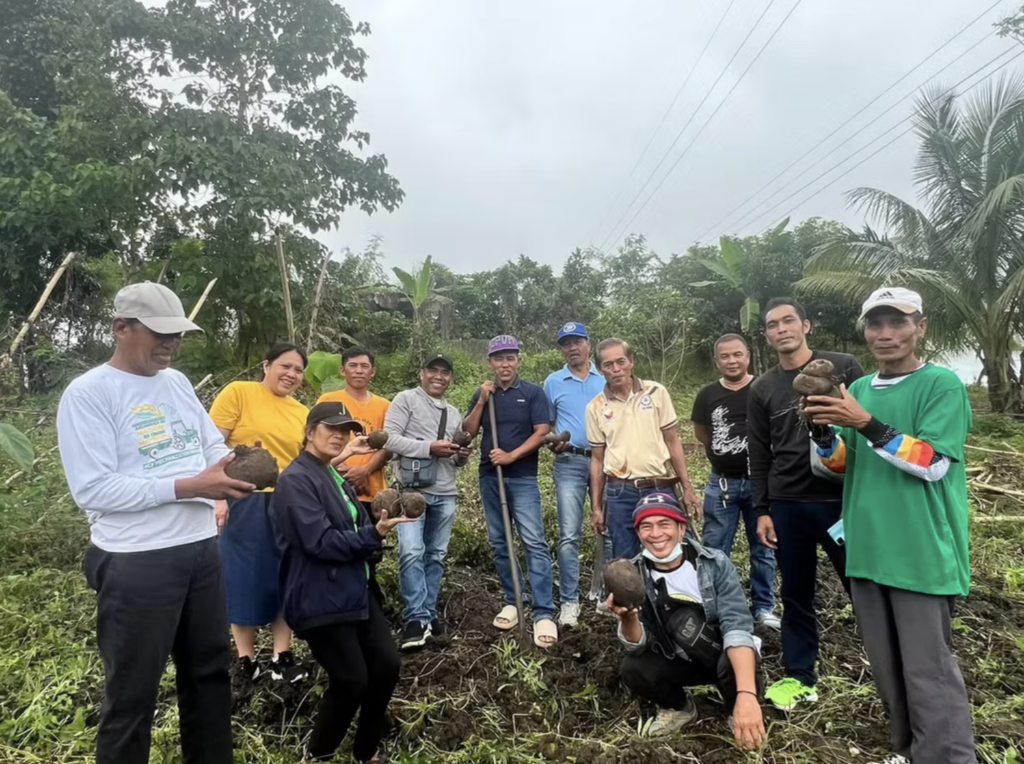
We are now exploring how this can connect directly with the ube, or purple yam, export value chain we are developing through AtoANI. Instead of treating agricultural waste as an end product, we can potentially convert it into something that improves soil and farm productivity, supports climate action and creates additional economic value for farming communities. This is also being integrated into the broader Farming-as-a-Service ecosystem we are building around AtoANI iCROP AI.
What are you working on now, and what’s next?
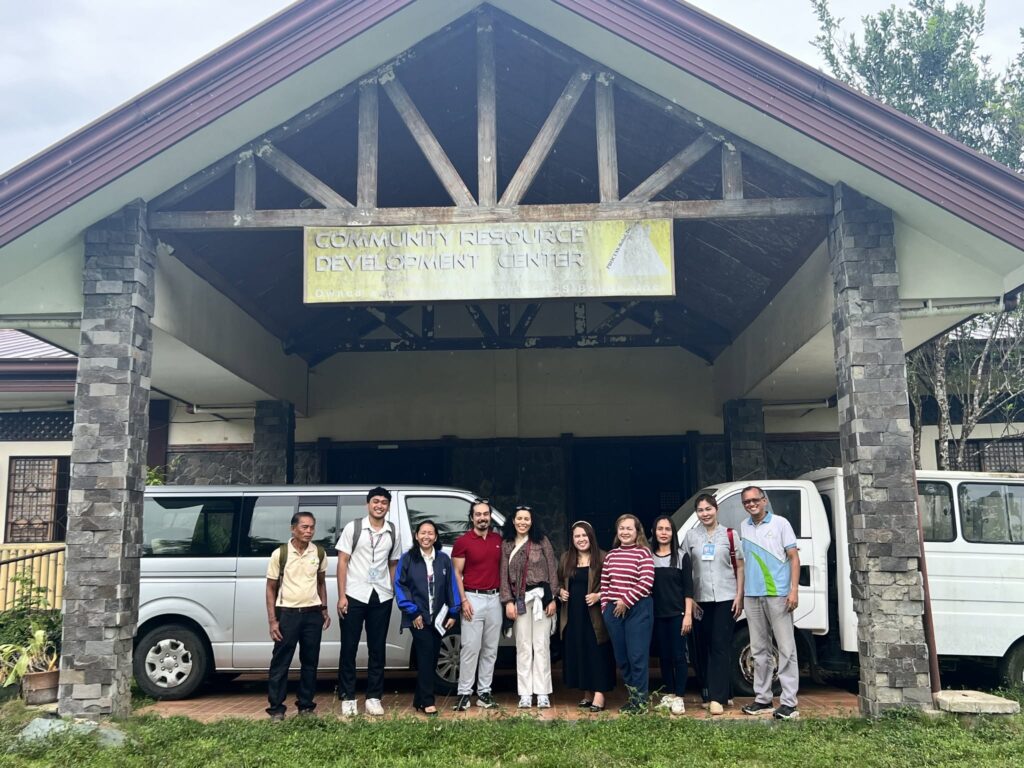
We are now scaling the AtoANI Farming-as-a-Service model, which brings together AtoANI iCROP AI, agricultural distribution and market access, and carbon-credit opportunities, with the Philippine ube export value chain as one of our major use cases.
We have already received 49 expressions of export interest from corporate buyers across Europe, the United States, Canada, Asia, Australia and the Middle East, including multinational ingredient companies, with market interest further validated through inquiries and paid sample orders. This builds on our experience supplying multinational customers in the Philippines, including Jollibee and Dusit Thani. Our immediate challenge is not finding demand — it is building enough reliable, traceable, sustainable and export-ready supply to meet it.
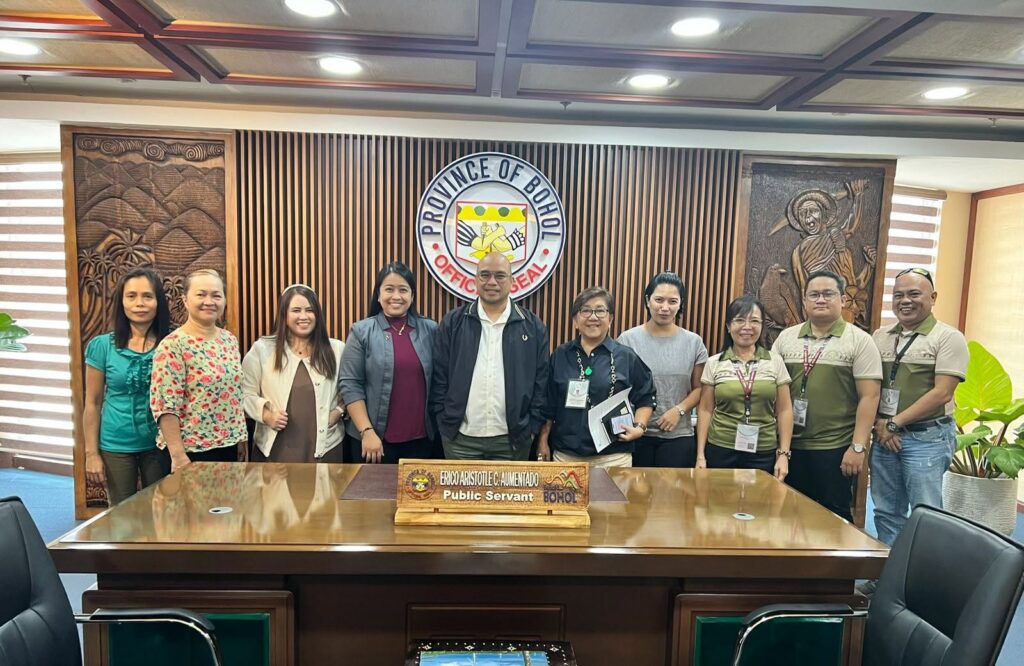
What comes next is scaling the model to more farmers and cooperatives, while working with local governments and national government agencies that can adopt and deploy the solution across the farming communities they support. Our goal is to demonstrate that technology, market access and climate-smart agriculture can operate as one integrated system — helping farmers grow what markets actually need, reduce waste, increase incomes and participate more meaningfully in global value chains.
Ultimately, we want to take what we learn from ube and replicate the model across other crops and farming communities, creating a scalable pathway from smallholder farms to higher-value domestic and global markets.
What’s one piece of advice you’d give to a researcher or innovator just starting out in your field?
Start with a problem that is important enough to solve and has strong enough demand and economics to sustain the solution beyond a pilot or grant. Innovation should not only be technically impressive — it should solve something people genuinely need and create enough value that customers, communities or institutions are willing to adopt and sustain it.
For us, one of the biggest lessons has been that technology alone is not enough. You also need the market, implementation model, partnerships and business model that allow the technology to create lasting impact.
Complete this sentence: “Research and health become more inclusive when…”
Research and health become more inclusive when the people most affected by the problems are not just beneficiaries, but active participants in designing, testing and benefiting from the solutions.
—
Maria’s path from Chemistry Challenge winner to building an export-ready agricultural value chain shows what climate-smart, AI-powered farming can look like at scale. It’s a model we’re proud to have helped catalyse, and one we’ll keep following as AtoANI brings Farming-as-a-Service to more farmers and more crops beyond ube.
Maria Wilvenna Añora co-founded the social venture AtoANI, which provides a data-based analytics solution to enable sustainable agriculture implemented through a three-pronged approach (iCROP AI, Distribution, and Carbon Credits). With a Chemical Engineering and MBA Degree, she has corporate experience working for multinational companies such as Procter and Gamble Philippines and Lufthansa Technik Philippines in the areas of Strategy, Digitalization, Innovation, Finance, Logistics, Quality Assurance, Program Management, and Project Management. She also has freelance experience in consulting, creating business plans, process improvements, and digital transformation strategies in the areas of e-commerce, sustainability, and tourism, which led to co-founding I-AM Consulting which focused on consulting for the decarbonization of the aviation and logistics industry.