Meet the seven women researchers connecting climate change and health across Africa
Floods that cut off health clinics. Droughts that contaminate the food supply pregnant women depend on. Rising heat that drives up pregnancy risk. Across the continent, climate change is already reshaping public health — and a new cohort of researchers is building the evidence to respond.
The Elsevier Foundation is proud to support Global Health Corps’ Africa Leadership Accelerator (ALA), which among their 64 emerging leaders selected as 2026-2027 fellows, include seven recipients working at the intersection of climate and health across Zambia, Rwanda, Malawi, and Uganda. Over the coming year, the ALA will strengthen their leadership and connect them with peers and mentors as they carry this work forward.
Together with the broader cohort, these seven fellows are building the evidence base the world needs to keep health systems standing as the climate changes. We’re glad to help carry that work forward.

Elizabeth Lubinda — Zambia
Research Analyst, Maternal & Newborn Epidemiologist, The Reach Alliance & University of Zambia
Elizabeth traces how climate shocks reach pregnant women through two pathways: aflatoxin contamination in grain stores disrupted by drought and shifting rainfall, and rising heat that drives pre-eclampsia risk. Through the Markets and Seeds Access Project, she’s building the epidemiological evidence linking climate, agriculture, and maternal health in the rural Zambian communities where the consequences are most acute.

Lisa Berwa — Rwanda
Lecturer & Community Extension Educator, Rwanda Institute for Conservation Agriculture
Lisa leads climate adaptation programmes for smallholder farmers in Kirehe and Gakenke — zero tillage, permanent soil cover, crop diversification — that protect food security and household health as rainfall grows unpredictable. Her One Health training teaches communities how climate-driven land-use change creates the conditions for zoonotic disease to emerge.

Morreah Champo — Zambia
AMR Community Health Focal Point & Research Lead, Zambia National Public Health Institute
Morreah is documenting a dangerous cycle: when flooding cuts off health facilities and contaminates water, communities turn to unregulated antibiotics — fueling antimicrobial resistance. As Principal Investigator on a Global Fund Climate Catalytic Grant study, she’s turning that evidence into a policy-ready framework, building on her contribution to Zambia’s national AMR action plan.

Lilian Esnath Chimbayo — Malawi
Environmental Health Officer, Ministry of Health & Sanitation, Nkhotakota District Health Office
Lilian leads epidemic response in one of Malawi’s most flood-prone districts, running WASH interventions and health assessments in displacement camps when seasonal flooding hits. Under her watch, Nkhotakota has recorded no cholera outbreak since 2023 — measurable proof that climate-responsive health systems can work.
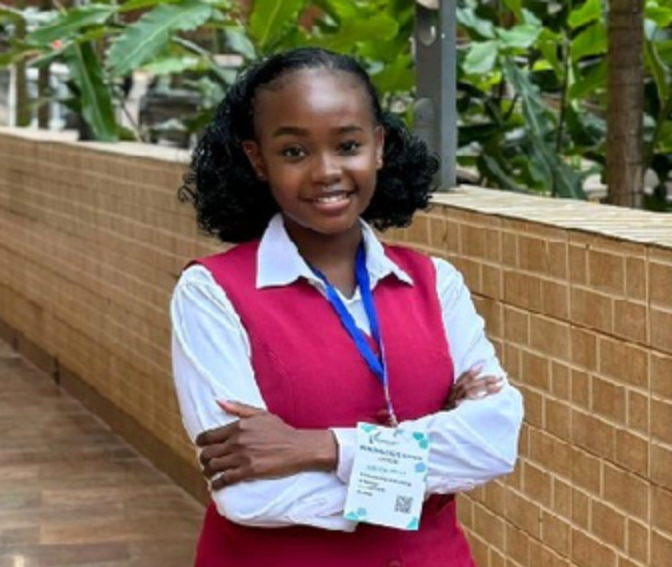
Hellena Angella Nagawa — Uganda
SRHR, Youth & Adolescent Health Program Lead, Sauti Women’s Foundation
Hellena designs sexual and reproductive health programmes for adolescent girls, refugees, and GBV survivors in post-conflict Northern Uganda, built to withstand seasonal road and facility closures. Through EcoFlow, the youth-led initiative she founded, she’s tackling how flooding disrupts menstrual health services — and the infection risk, school absence, and loss of dignity that follows.
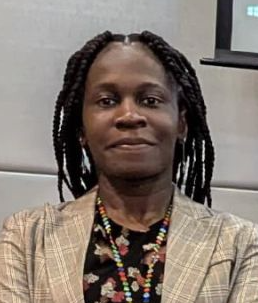
Ruth Ketty Kisuza — Uganda
Research Associate, Community Concerns Uganda Initiative
Ruth’s research asks how extreme rainfall disrupts young women’s access to reproductive health care in Uganda’s shoreline and island communities — findings she’s brought directly to health facility managers and district policymakers in Mayuge District. She’s now extending that evidence base into post-abortion care and gender-based violence in climate-vulnerable settings.
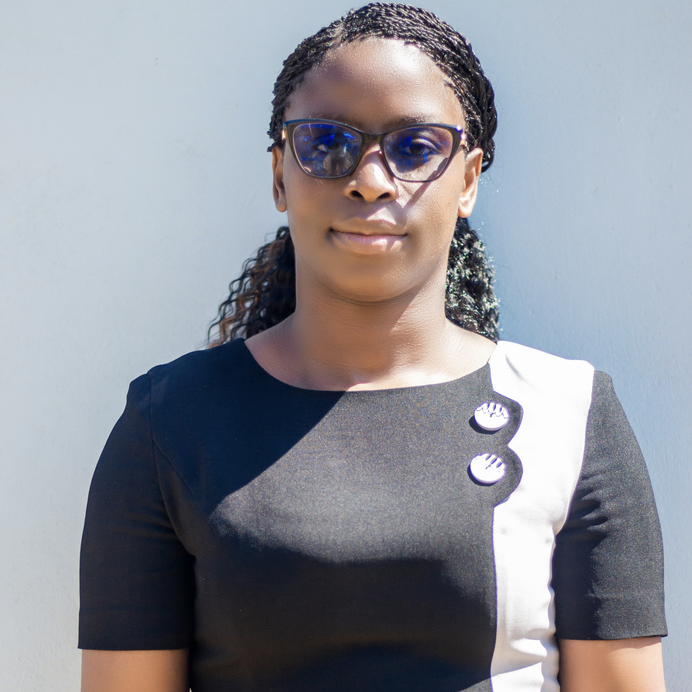
Matamando Mwendera — Malawi
Research Officer, Partners In Health / Abwenzi Pa Za Umoyo
When Cyclone Ana severed transport routes and health access in Malawi, Matamando led the assessment documenting the impact — and is now turning those findings into climate-resilient primary healthcare strategies in Neno and Chikwawa. Her forthcoming publication draws together her research on disaster preparedness and community health resilience.